

Yes, you read that title correctly.
Author Archives: scriptoriumhalltutor
Compassion, Tolerance, and the Destruction of the Liberal Arts

Classical educators also need to arm themselves with a moral, compassionate case for the liberal arts – particularly as one of the primary arguments against the liberal arts is that they often discuss subjects which could (and in some cases should) grieve students.
Six Unconventional Questions for Choosing a College

It’s college-picking time of year again. Here are six unconventional things to consider before you embark on a journey to the ivory towers. Do you really need to go to college? You probably won’t hear this question much, because colleges all want you to pick them, because governments want to loan you money so theyContinueContinue reading “Six Unconventional Questions for Choosing a College”
Executing Tradition: Cultural Death and the Manipulation of the Young

Increasingly, there are calls for educators to reject “adultism” in teaching their students. “Adultism” is essentially the idea that adults (parents, teachers, law enforcement officials, pastors, government leaders, etc.) have too much authority over children and young people. This must be done, anti-adultists (who are all adults themselves) say, because children lose self-esteem when theyContinueContinue reading “Executing Tradition: Cultural Death and the Manipulation of the Young”
The President’s Speech: Reagan on History Education
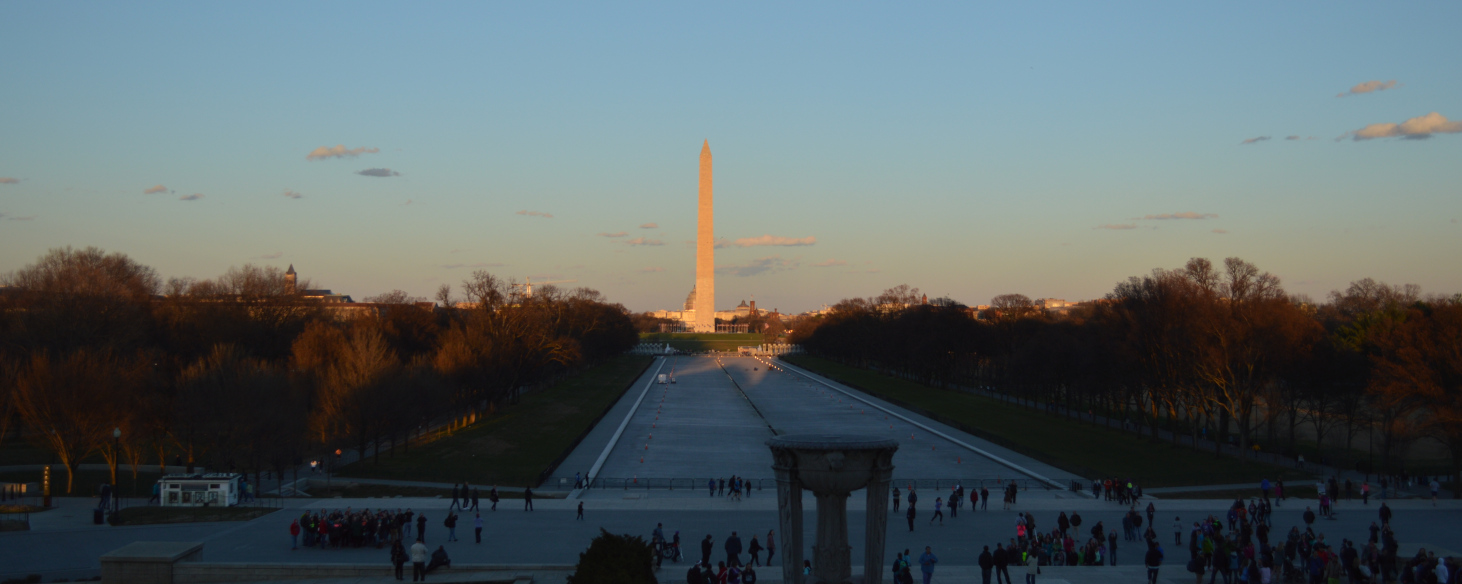
Today is the 28th anniversary of President Ronald Reagan’s farewell address, January 11, 1989. His comments on history education are spot on, and worth quoting at length. Read the rest here. Finally, there is a great tradition of warnings in Presidential farewells, and I’ve got one that’s been on my mind for some time. ButContinueContinue reading “The President’s Speech: Reagan on History Education”
On the Necessity of Defining Terms

The start of the new year is a great time to look at the foundations of writing, and speaking: definitions. In the first week of Western Civilization and Great Books after the Christmas break, we studied Shakespeare’s As You Like It. Near the end of the play, Phoebe – a shepherdess – asks Sylvius –ContinueContinue reading “On the Necessity of Defining Terms”
Greatness, Not Perfection: Food for Thought on the Study of History

As I was listening to the radio the other day, one commentator noted that few people bother to make the distinction between “greatness” and “perfection.” Greatness is moral excellence; perfection is moral perfection. We should want to be great, and we know that some individuals are great; we should also hope for perfection, although weContinueContinue reading “Greatness, Not Perfection: Food for Thought on the Study of History”
Why the Iliad?
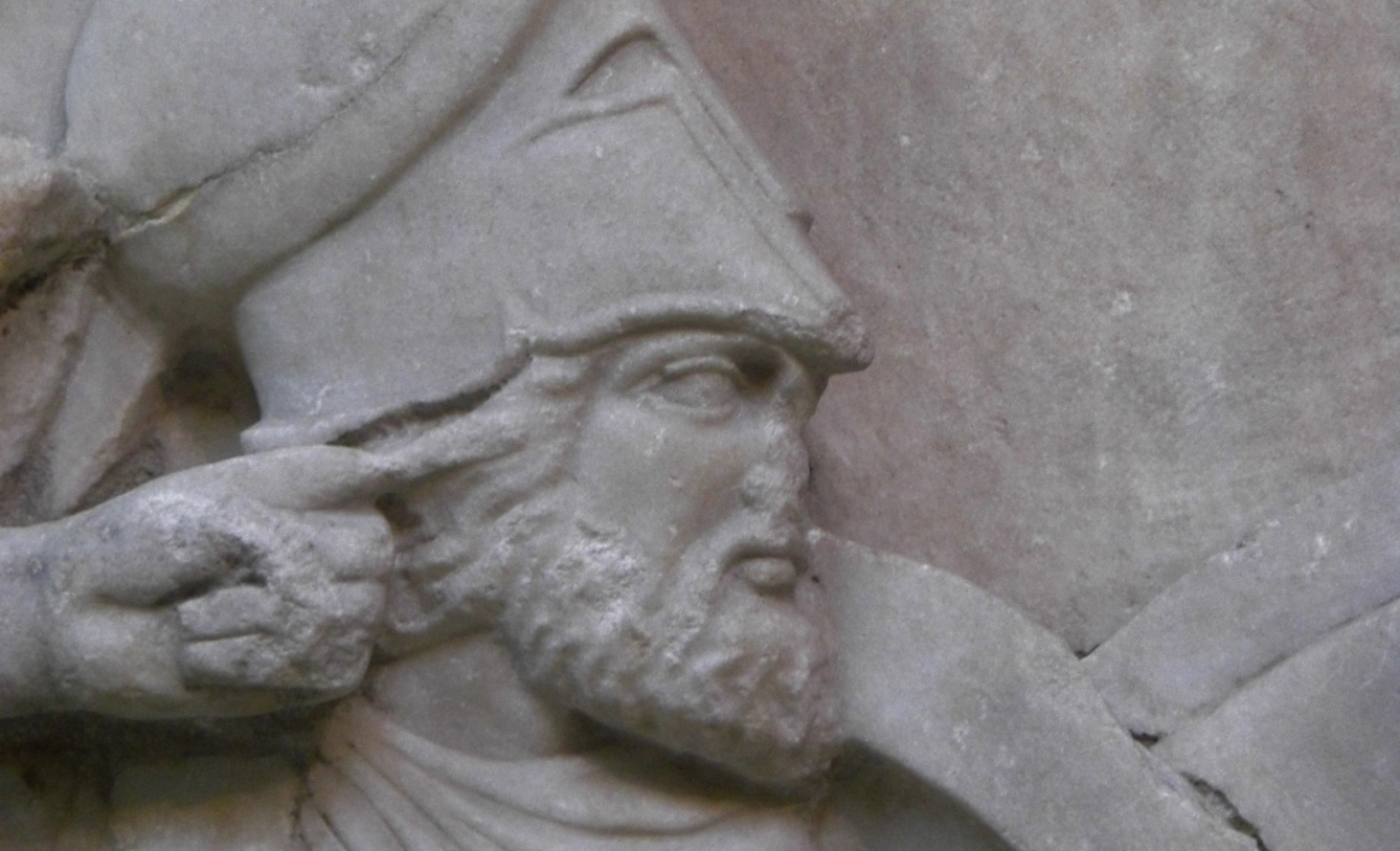
In an age when we see armed conflict, attacks, and suffering on nearly every screen – and even in those archaic print newspapers – why should teachers bother to have their students closely study an ancient book on war? Why not stick with the homecoming of Odysseus? It’s a valid question, and one that oughtContinueContinue reading “Why the Iliad?”
ACTA: American Students Don’t Know American History or Government

In a study released this month, the American Council of Trustees and Alumni reveals that college graduates have low levels of knowledge about American history and government. For example, roughly 50% of college graduates could not explain the term lengths of Congressmen, roughly 70% could not “identify James Madison as the Father of the Constitution,”ContinueContinue reading “ACTA: American Students Don’t Know American History or Government”
For True Equality, Ban Bedtime Stories
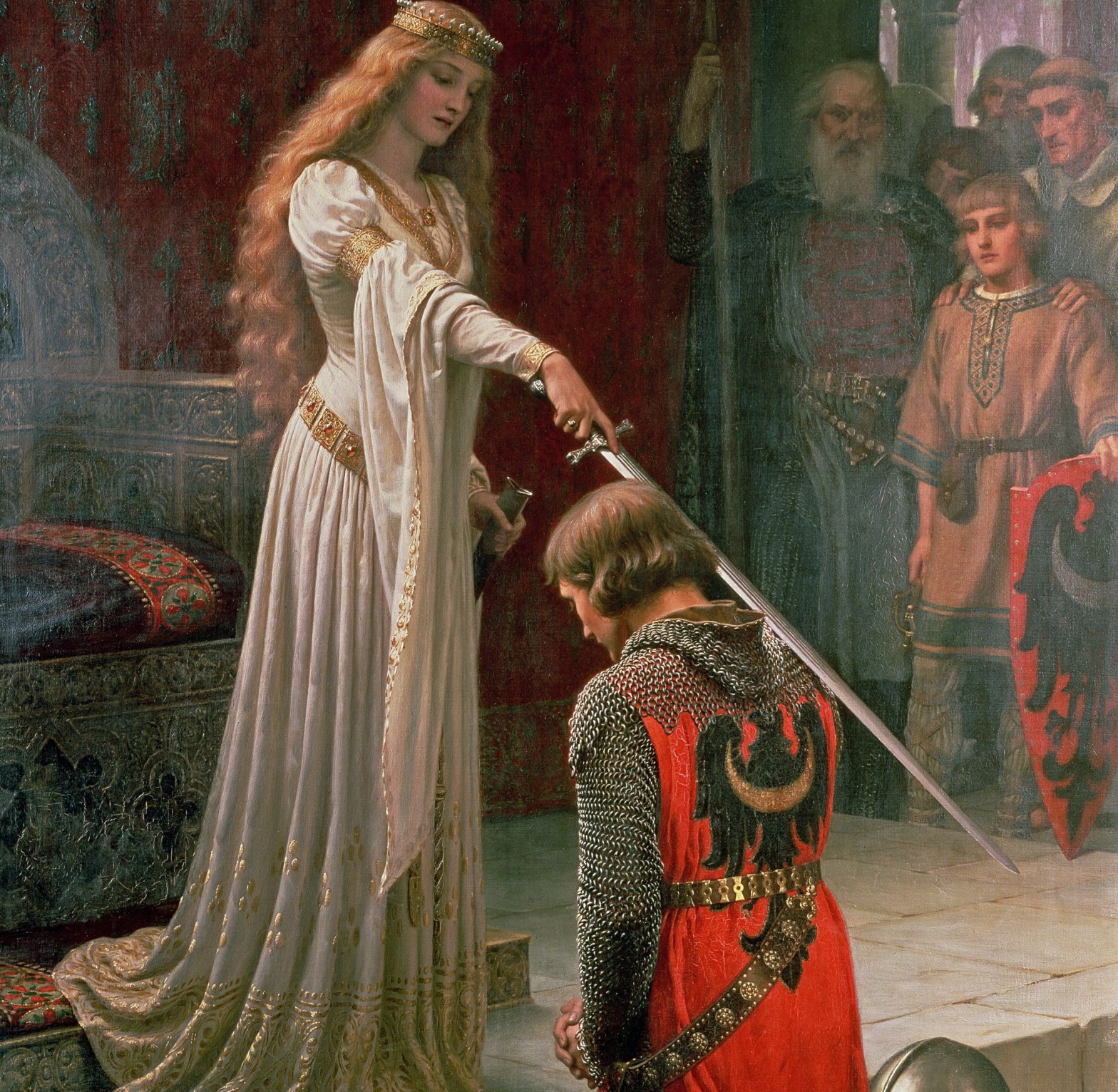
Otherwise Entitled: The Importance of Reading To and With Your Children (of Any Age!) This story, from an Australian news source, notes that students benefit most in their education if they have loving parents who read to them. However, according to Adam Swift, these loving parents who read to their children give those children “an unfair advantage”ContinueContinue reading “For True Equality, Ban Bedtime Stories”
 SCRIPTORIUM HALL